Government Investment Signals Major Opportunity for UK Home Renewable Energy
The UK government’s proposed £15 billion Warm Homes Plan signals a major commitment to improving household energy efficiency and accelerating the adoption of renewable technologies. The initiative aims to reduce energy bills, address fuel poverty and support the installation of solar power, battery storage and low-carbon heating, creating significant opportunities for households and the renewable energy sector alike.
1/28/20262 min read
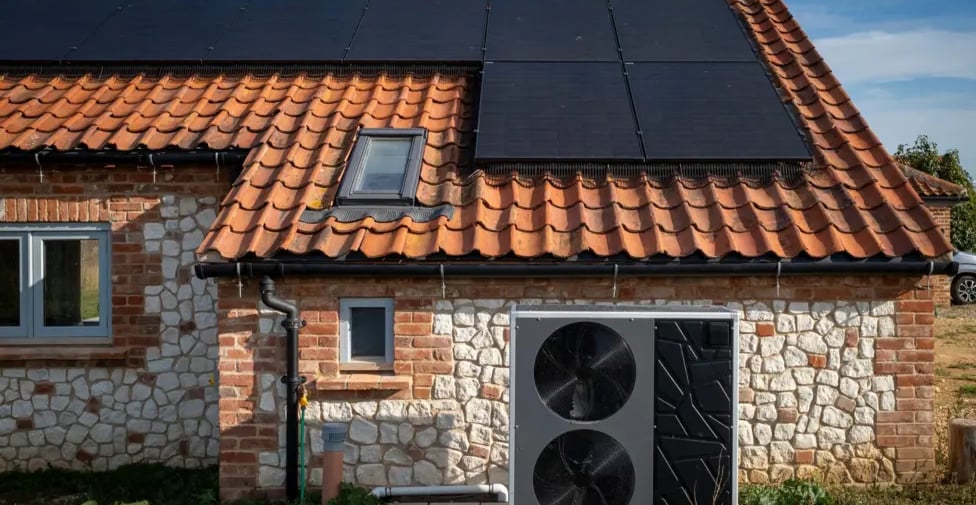
The UK government has announced a significant new policy initiative aimed at improving household energy efficiency and reducing energy costs across the country. As reported by the BBC, the proposed Warm Homes Plan represents a substantial public investment designed to accelerate the adoption of low-carbon technologies, including solar power, battery storage and improved insulation.
This announcement marks an important step in the UK’s long-term transition to a more sustainable and resilient energy system - and presents clear opportunities for households and renewable energy providers alike.
Overview of the Warm Homes Plan
According to the BBC, the Warm Homes Plan will commit up to £15 billion to upgrading homes over the coming years, with the goal of reducing energy bills, cutting carbon emissions and addressing fuel poverty. The programme is expected to support millions of households by making clean energy technologies more accessible and affordable.
Key objectives of the plan include:
Improving the energy efficiency of homes across the UK
Reducing reliance on fossil fuels and exposure to volatile energy prices
Supporting the installation of renewable technologies such as solar panels and heat pumps
Providing targeted assistance to low-income and vulnerable households
The initiative is being positioned as one of the largest home energy upgrade programmes ever undertaken in the UK.
Renewable Technologies at the Core of the Programme
The Warm Homes Plan places strong emphasis on practical, proven technologies that can deliver long-term financial and environmental benefits.
These include:
Solar photovoltaic (PV) systems, enabling households to generate their own electricity and reduce dependence on the national grid
Battery storage solutions, allowing excess solar energy to be stored and used during periods of higher demand
Low-carbon heating systems, such as heat pumps, to replace traditional gas-based heating
Insulation and efficiency improvements, which remain one of the most effective ways to reduce energy consumption and costs
Together, these measures are intended to lower household energy bills while contributing to national climate targets.
Addressing Energy Costs and Fuel Poverty
As highlighted in the BBC report, rising energy costs have placed significant pressure on households in recent years. The Warm Homes Plan aims to provide long-term relief by reducing overall energy demand and increasing the use of locally generated renewable power.
The government has indicated that the scheme will prioritise support for those most affected by high energy bills, with a focus on improving housing stock that is currently inefficient and costly to heat. By doing so, the programme seeks to tackle fuel poverty while delivering broader economic and environmental benefits.
Implications for the UK Renewable Energy Sector
Beyond household benefits, the Warm Homes Plan is expected to stimulate growth across the renewable energy and retrofit sectors. Increased demand for solar installations, energy storage systems and efficiency upgrades is likely to support job creation, skills development and investment throughout the supply chain.
For companies operating in renewable energy, this policy direction provides long-term certainty and reinforces the government’s commitment to clean energy deployment at scale.
Ark Assets Renewables’ Role in the Transition
At Ark Assets Renewables, we welcome initiatives that support the adoption of renewable energy and improve energy affordability for households. Government backing for solar, battery storage and energy-efficient technologies aligns closely with our mission to deliver reliable, cost-effective renewable solutions.
We work with property owners and stakeholders to design and implement systems that maximise long-term value, reduce carbon emissions and contribute to a more sustainable energy future.
Conclusion
The Warm Homes Plan represents a pivotal moment for household energy in the UK. By combining public investment with proven renewable technologies, the programme has the potential to deliver lasting reductions in energy costs while accelerating the transition to a low-carbon economy.
As the policy develops, Ark Assets Renewables remains committed to supporting the rollout of clean energy solutions that benefit households, communities and the wider energy system.